What to Eat Before a Morning Workout: A Simple Breakfast Guide
Your alarm goes off at 5:40. You want to be warmed up by 6:15, which leaves about thirty minutes to decide whether breakfast happens now, later, or not at all. Choose badly and you either drag through the first set or spend the run talking yourself out of a stomach cramp. Choose well and the session feels smoother, stronger, and a lot less like a punishment.
The good news: there is no single correct breakfast. There is only the right breakfast for the time you actually have. Here is how to pick one without overthinking it at dawn.
Most people get this backwards. They hunt for the "best" pre-workout food before asking a simpler question: how long until I train? Digestion takes time, and during exercise blood flow shifts toward working muscles and away from your gut. Eat too close to your first set and that food sits there, heavy and unwelcome.
Three rough windows cover almost every morning:
A useful rule of thumb: the closer the workout, the smaller and simpler the food. If you wake up five minutes before you leave, eat nothing and bring a banana for the warm-up.
Carbohydrate is the point of a pre-workout meal. It tops up the fuel your muscles will burn and steadies your blood sugar so you don't feel shaky halfway through. Protein matters too, but in smaller amounts — it helps you feel satisfied and supports recovery across the whole day rather than during the session itself.
Fat and fiber are the wildcards. Both slow digestion, which is helpful at 5 a.m. when you have an hour and unhelpful when you have fifteen minutes. Save the big salad, the bean bowl, and the heavy cheese omelet for days when you train later.
Simple rule: carbs first, a little protein alongside, fat and fiber scaled to how much time you have.
Blend a banana, a handful of frozen berries, half a cup of yogurt, and a splash of milk. Drink half before you leave and sip the rest between sets. A slice of white toast with jam works too, and it's easier on a nervous stomach than anything whole grain.
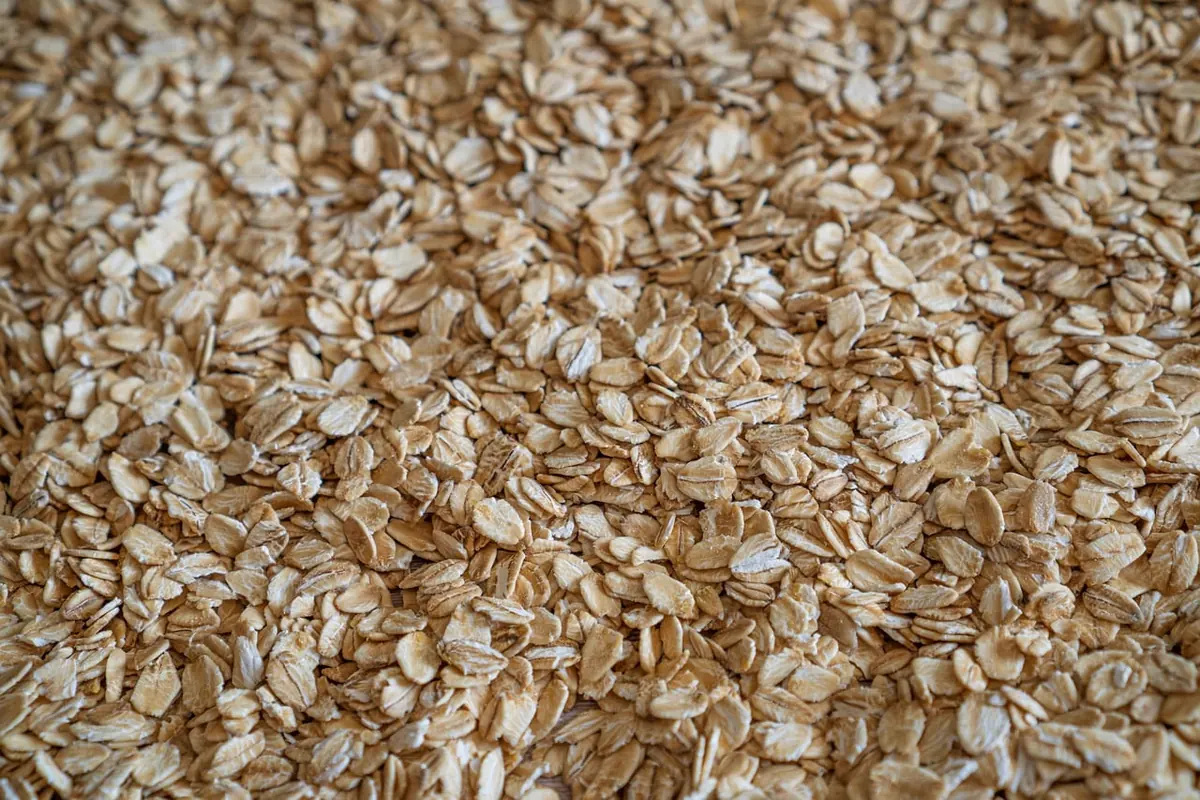
Oatmeal with a spoon of honey and a few sliced strawberries. Or a rice cake with peanut butter and banana coins on top. Or a small bowl of low-fiber cereal with milk. All of these land around 200–300 calories, which is enough to take the edge off without weighing you down.
Now you can eat like a normal person. Two eggs on toast with a little avocado. Greek yogurt with granola and blueberries. A bowl of oats made with milk, topped with nuts and dried fruit. If you train hard and often, this is the window where a bigger meal pays off.
Each of these pairs a fast carbohydrate with a modest hit of protein. Pick the one that matches your time budget.
Notice that none of these are complicated. Pre-workout food is not the place for culinary ambition. Save the experimenting for a rest day, not for the morning of a heavy squat session.
Some foods are excellent recovery choices and poor pre-workout choices. Anything deep-fried, creamy, or built on a lot of cheese tends to sit heavily. Big servings of beans, lentils, or bran cereal can cause bloating and gas during movement. Very spicy food is a gamble you don't need to take at 6 a.m.
Also skip the giant portion. A full plate fifteen minutes before training will make you slow and possibly nauseous. Eat a little now, train well, and eat properly afterward — that's when your body is most ready to use a larger meal.
You wake up mildly dehydrated, so drink a glass of water before anything else, especially if you sweat heavily. For caffeine, a cup of coffee forty-five minutes out is fine for most people and can make early sessions feel less brutal. More than that on an empty stomach can bring jitters and stomach trouble, so keep it modest and test it on a day that isn't a race or a personal best attempt.
If you genuinely prefer training on an empty stomach and you feel fine doing it, there's no rule forcing you to eat. Short, easy morning sessions are often comfortable fasted. But if you notice dizziness, weakness, or a steep drop in performance on longer or harder days, that's your cue to eat something small beforehand.
Pick one option from the list above and use it for the next two weeks. Eat the same thing at roughly the same time before similar workouts. Then pay attention: energy levels in the first twenty minutes, how your stomach feels, whether you fade early. Adjust one variable at a time — portion first, then timing, then food choice.
Within a couple of weeks you'll have a breakfast that works for you instead of a rule you borrowed from someone else. Prepare what you can the night before: portion oats into a jar, freeze smoothie bags, keep bananas on the counter where you'll see them. Morning decisions are easier when they were already made.
If you have diabetes, a digestive condition, or any medical concern that affects how you eat around exercise, talk with your doctor or a registered dietitian before making changes. For everyone else, a little trial and error at breakfast will do more for your training than any supplement on the shelf.
Photo: runningwaters / Pixabay
Previous Post
How to Train for a Local 5K: An 8-Week Beginner Running Plan
Next Post
Meal Prep for Muscle Gain: A 7-Day High-Protein Checklist